How to Maximize Your Day in Any New City
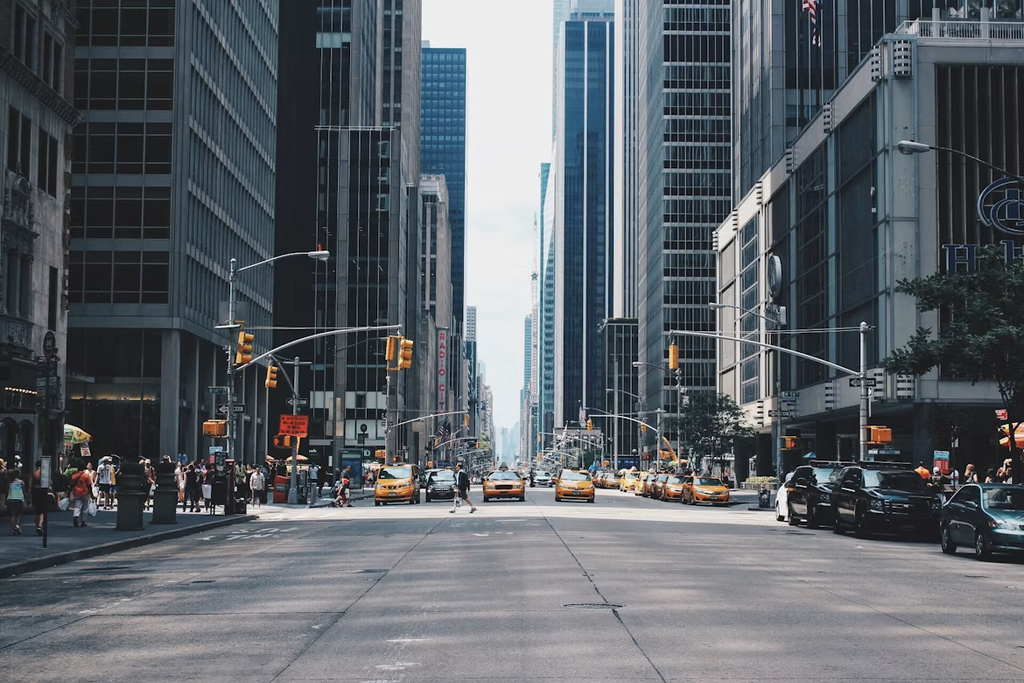
A successful day in a new city starts with a realistic plan for the hours you actually have. Trying to cover every major landmark usually leads to rushed meals, unnecessary backtracking and sore feet long before dinner. A better schedule combines one or two priorities with flexible time for local food, neighborhood walks and spontaneous discoveries.
The practical choices matter too. Where you leave your bags, how you cross town and when you stop for meals can add hours of useful time to your day. Use the following strategies to see more while keeping the experience relaxed.
Plan Smart, Not Hard
Start with your fixed points: arrival time, departure time and any reservation you can’t move. Add a buffer of at least 30 minutes after arriving and 45 to 60 minutes before leaving. Transit delays, station layouts and ticket lines often take longer than expected in an unfamiliar place.
Next, choose one main attraction and two nearby possibilities. Mark them on a map along with a lunch option and your departure point. This creates a compact route instead of a list that sends you across the city several times. A useful rule is to group activities within a 15 to 20-minute walk or one direct transit ride of each other.
Check opening hours on official websites, especially for museums, markets and restaurants that close between lunch and dinner. Timed tickets can remove a long wait, but avoid booking every hour. Leave at least one open block so a delayed meal or interesting side street doesn’t disrupt the entire schedule.
Advice from travelers on efficient city exploration also supports focusing on a few connected areas. Before leaving your hotel or station, download the city map for offline use and save the addresses of your top stops. You’ll spend less time searching for directions when mobile service drops or public Wi-Fi proves unreliable.
Embrace Local Transportation
Learn the basic transit system before you arrive. Find out whether the city uses contactless payment, paper tickets or a dedicated travel card. You should also check if fares are based on distance, travel zones or a flat rate. Knowing those details prevents delays at ticket machines during your limited sightseeing hours.
Public transportation works best for longer jumps between districts. Walking is often faster within a historic center, particularly when buses share crowded streets. Look at the entire route before boarding since two stations that appear close on a transit diagram may have a river, steep hill or major road between them.
Many cities now coordinate buses, trains, cycling routes and pedestrian areas through smart transportation planning. For a visitor, that can mean real-time arrival displays, integrated tickets and apps that compare several ways to reach the same place. Still, keep the official transit website bookmarked because third-party map apps occasionally display outdated platform details or temporary closures.
The C40 Knowledge Hub’s guidance on attractive public transportation highlights factors such as reliability, affordability and easy connections. Those same features should guide your choices. A direct tram arriving in four minutes will usually serve you better than a cheaper route that requires two transfers. Save taxis or ride services for locations that transit doesn’t reach efficiently, very early departures or situations where several travelers can split the cost.
Explore Unburdened and Free
Heavy bags change how you experience a city. You may avoid stairs, skip small restaurants and reject an appealing walk because carrying everything feels tiring. Before your visit, ask your accommodation about check-in, checkout and storage policies. Some hotels will hold bags for guests, though access hours may not match your travel schedule.
If you’re arriving before check-in or leaving several hours after checkout, arrange short-term storage close to the route you plan to follow. Travelers visiting the Scottish Highlands, for example, can look for left luggage Inverness City Center options with online booking, flexible hours and locations near transport hubs or shopping areas. The same principle applies elsewhere: choose storage near your arrival point, departure point or first major stop so collecting your belongings doesn’t require a long detour.
Carry only what you’ll use during the day. A compact day bag can hold your phone, payment card, reusable water bottle and a light layer. Keep travel documents secure and take a photo of any storage receipt or collection code.
Weather should shape what stays with you. If rain is likely, pack a folding umbrella or waterproof shell. In hot weather, prioritize water and sun protection. Removing unnecessary weight makes it easier to use public transit, enter busy cafes and explore pedestrian streets at a comfortable pace. It also lowers the temptation to stay in one convenient area simply because moving has become difficult.
Find Hidden Gems Quickly
Local food offers one of the quickest ways to understand a place, but finding a good meal requires more than choosing the highest rating on a map. Search for dishes associated with the region, like these hawker stalls in Singapore, then identify restaurants, bakeries or markets that specialize in them. Recent reviews can help you check wait times and service patterns, while menu photos reveal price ranges and portion sizes.
Ask specific questions when speaking with hotel staff, shopkeepers or cafe workers. “Where can I get a quick local lunch within ten minutes?” is more useful than asking where you should eat. The answer is more likely to match your available time and budget.
Use side streets carefully. A restaurant one block away from a major landmark may have a calmer dining room and a shorter line, yet remain convenient to your route. Lunch specials also provide a practical chance to try regional cooking without committing to a long evening meal. If the city has a food hall, arrive outside the main lunch rush so you can compare stalls before ordering.
For other discoveries, scan community event listings and the social pages of museums, bookstores and cultural centers. Temporary exhibits, public performances and neighborhood markets may not appear in printed guides. Travelers exchanging new city day tips often recommend allowing room for these unplanned stops.
Give each discovery a time limit. A 20-minute market visit can add character to your day without forcing you to cancel the attraction you most wanted to see.
Capture Memories, Not Clutter
Photos help preserve details that fade quickly, but taking too many can pull your attention away from the place itself. At each major stop, take one wide photo, one detail shot and one picture that includes the people traveling with you. Then put your phone away for a few minutes and look around without a screen.
Add short notes during natural pauses such as a train ride or coffee break. Record the name of the dish you ordered, the street where you found an interesting shop or the musician you heard in a square. Those small facts often bring back a clearer memory than dozens of nearly identical images.
Souvenirs deserve the same selectivity. Choose an item tied to a specific experience, such as a postcard from a museum, a packaged specialty from a food market or a small piece made by a local craftsperson. Check customs and transportation rules before buying food products, plants or fragile goods. A photo may be the better keepsake when an item is bulky or difficult to carry.
As departure time approaches, stop adding new destinations. Find a cafe or public space near your final transit connection and review the day while you still have time to spare. Label a few photos, confirm your platform or pickup point and enjoy one last local snack. Finishing close to where you need to leave protects the day from a stressful final sprint and lets the city’s details linger a little longer.