Outdoor Lighting Strategies for Restaurant Patios and Terraces
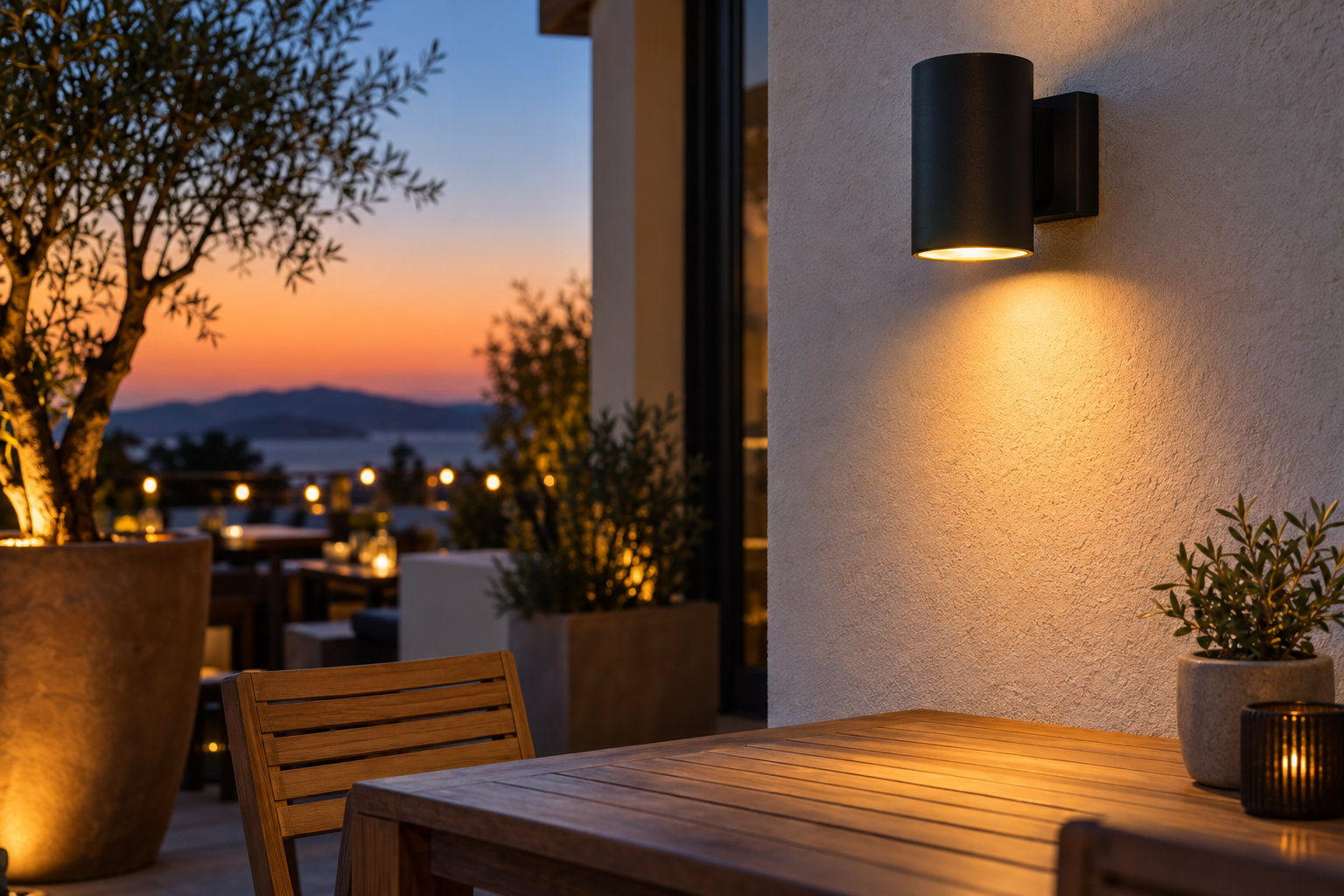
Thoughtful outdoor lighting can transform a restaurant’s patio or terrace into a functional and inviting space after sunset. Balancing ambience, safety, and design is essential to enhance guest experience and operational flow. Effective exterior illumination requires considering fixture placement, layered lighting techniques, and long-term durability.
Lighting decisions on restaurant patios directly affect how guests feel, navigate, and interact within exterior spaces. From ensuring comfort to creating a welcoming atmosphere, quality outdoor lighting from Visual Comfort can help define areas and maintain a cohesive ambience from indoors to outdoors. The choice of lighting also impacts how easily guests move around tables and paths and plays a key role in perceived safety after dark.
By optimizing lighting design, operators can support both practical and aesthetic needs for busy outdoor dining environments. These strategies can also help create consistent lighting levels across service areas, entrances, and circulation routes. The goal is to support evening service without overwhelming the space or causing glare.
The impact of proper lighting on guest comfort
Quality lighting is crucial for both functionality and atmosphere. Carefully planned illumination helps people see menus and food clearly while highlighting the best features of the surrounding space.
Soft ambient lighting produces a warm overall glow, encouraging guests to linger and enjoy their meals. Strategic use of accent fixtures can highlight plants, artwork, or key architectural elements, subtly reinforcing the restaurant’s style and identity.
Building a layered approach for effective illumination
Layering different types of light achieves depth and flexibility. Ambient lighting sets the foundational mood, while task lighting targets practical needs such as menu reading and tabletop visibility.
Accent lights offer visual interest, guiding the eye toward unique details or landscaping. Wayfinding illumination around steps and walkways helps guests navigate safely, particularly as natural light fades.
Choosing fixtures and designing with aesthetics in mind
Fixture selection influences both appearance and performance. Wall-mounted sconces and discreet ceiling pendants are popular for covered areas, providing targeted light without overwhelming the space.
Bollards or path lights mark edges while portable rechargeable lamps can introduce flexibility for changing layouts. String lights, when used sparingly, can create a festive atmosphere. Visual Comfort products can blend into these designs, keeping the lighting cohesive across all areas.
Durability, maintenance, and control considerations
Outdoor fixtures must withstand varied weather conditions, which makes robust construction and appropriate wet-location ratings important. Materials should resist corrosion, especially in exposed settings or areas prone to moisture.
Energy-efficient LEDs, dimming options, and automated controls such as timers or photocells can help reduce energy use and extend fixture lifespan. Maintenance access is another practical aspect, ensuring that any necessary adjustments or repairs can be made without disrupting service or design continuity.
Operators and designers can look to the Visual Comfort homepage for product and specification information related to decorative and architectural lighting options suitable for restaurant patios and terraces.