Why Resting Heart Rate Trends May Tell You More Than One Blood Pressure Reading
An individual health reading can be comforting or scary. However, the human body does not work in moments; it works in trends.
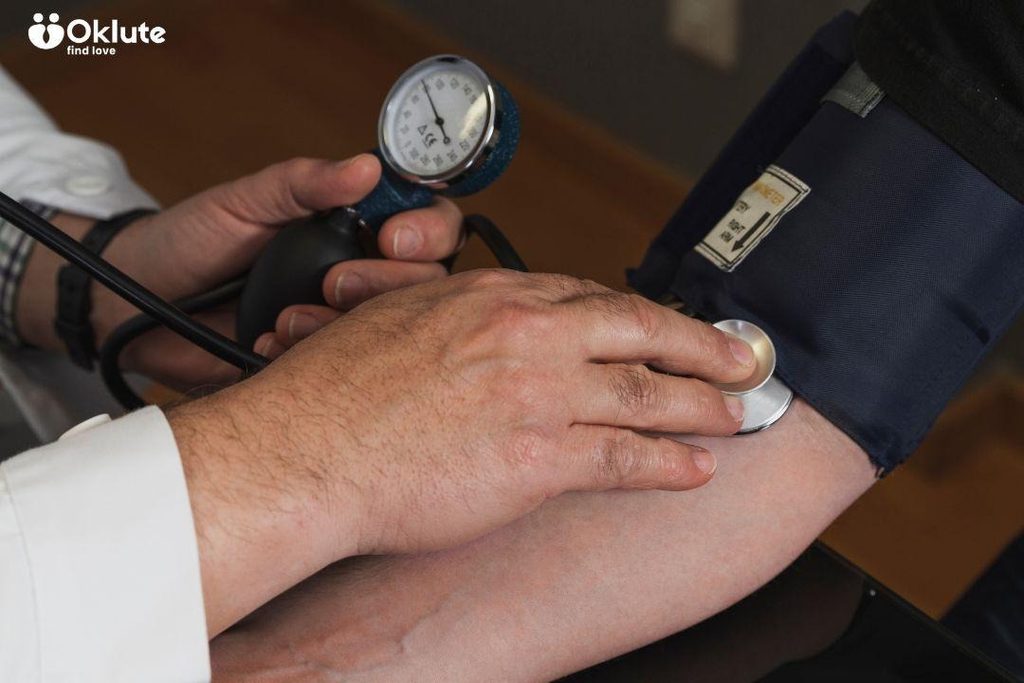
This is why analyzing the trend and the pattern of resting heart rate and recovery is important as a way to add perspective to the sporadic blood pressure reading, particularly in midlife. A blood pressure reading is very important, but one reading is merely an image of how things were working in the exact moment. The American Heart Association describes a single blood-pressure measurement as a “snapshot” and recommends tracking readings over time for a fuller picture.
So, what can your heart-rate trend reveal that one number cannot? Let’s connect the dots.
Your Personal Baseline Matters
The resting heart rate, or RHR, refers to the number of heartbeats per minute while you are at rest. Rather than looking at the question of whether today’s reading is within a wide range of “normal,” it may help Hyderabad escorts to pay attention to their personal baseline and know what normal means for you.
A massive longitudinal study with more than 92,000 participants that involved wearables measuring heart rates found considerable variability between participants. Yet, for each individual, the resting heart rate proved to be quite stable, with occasional fluctuations outside of one’s usual pattern.
This is why your personal baseline is so important.
For instance, you can be a person whose normal RHR is in the mid-60s range. This can be something worth paying attention to when your reading does not return to this number within a number of days.
Trends Can Put Daily Changes into Context
The resting heart rate can be affected by many different variables, including the following: sleep, exercise, body composition, age, and season of the year.
Some of the factors that may influence your recovery include stress, illness, alcohol consumption, dehydration, and intensive workouts.
Here comes into play the value of wearing devices. The information from such a device as a smartwatch or fitness tracker can demonstrate various biometric indicators.
What’s not needed is a focus on each and every one of those changes.
Instead, look for the trend line.
An anomaly may indicate very little. However, a persistent difference from the norm is much more telling when it comes to talking to a doctor.
Recovery Adds Another Piece to the Puzzle
Your resting heart rate is not all that matters for health and performance. For Pune escorts, paying attention to how the body responds during everyday activities can also be useful. The way your body reacts to activity and recovers after it can offer additional insights into your fitness and recovery levels.
The fitness community calls it the bounce-back.
Once you stop exercising, your heart rate starts declining until your body returns to a state of lower activity. Recovery can be measured along with the training load, sleep, and the level of fatigue experienced by individuals to better understand their physiological responses to training.
Yet, this kind of data is not a diagnostic tool. Your recovery score measured with the help of a smartwatch cannot be considered an examination of any sort.
Think of it as another piece of the puzzle.
Blood Pressure Still Deserves Its Place
When observing the trends in heart rate, one must not overlook blood pressure.
Blood pressure is the measure of the force of the blood against the arteries. It is an essential measure when monitoring patients with hypertension, including Manchester escorts who may need to keep track of their readings. According to the American Heart Association, the use of an approved upper-arm device, rest, repeated measurements, and recordings are recommended.
This is vital because blood pressure can vary. Stress, caffeine, exercise, smoking, and the method of measurement can influence an individual reading.
In other words, the better question is not heart rate or blood pressure.
It is: What does the complete pattern show?
Turn Your Numbers into Useful Information
Middle age is the right age for understanding one’s own baseline health.
Focus on trends instead of striving for perfect numbers. Pay attention to how your resting heart rate shifts with your sleep, workouts, stress, or any other changes in your life. Remember to monitor your blood pressure accurately and record the results as well.
And in case you find something suspicious or persistent, take that data to your healthcare provider instead of analyzing it yourself.
A smartwatch is able to generate scores of health metrics daily. But what really counts is understanding which of them actually matter.
One reading is a snapshot. A well-tracked trend can tell a much bigger story.