Why Honey Quality Matters More Than We Think
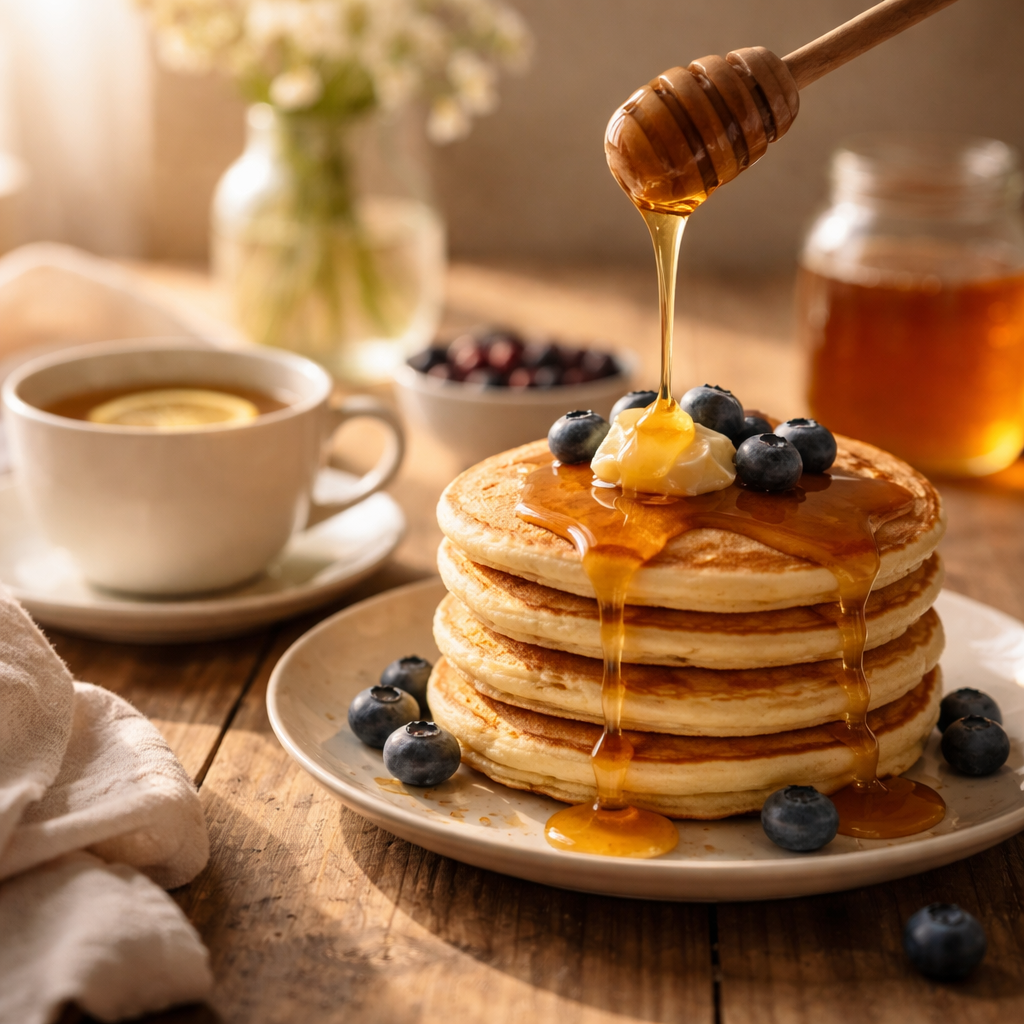
Honey is a simple, natural sweetener that we often include in our diet. It is commonly used in baking and enjoyed at breakfast, whether stirred into tea or drizzled over toast and pancakes. Although all the honey looks the same, they aren’t. Honey quality varies based on how it is produced, processed, and sourced.
These differences result in varied honey taste, texture, aroma, and nutritional value. Every type of honey performs differently in cooking. Recently, we have paid more attention to what we eat. It is important to understand the honey quality for both home and professional use.
Beekeeping Determines the Quality of Honey
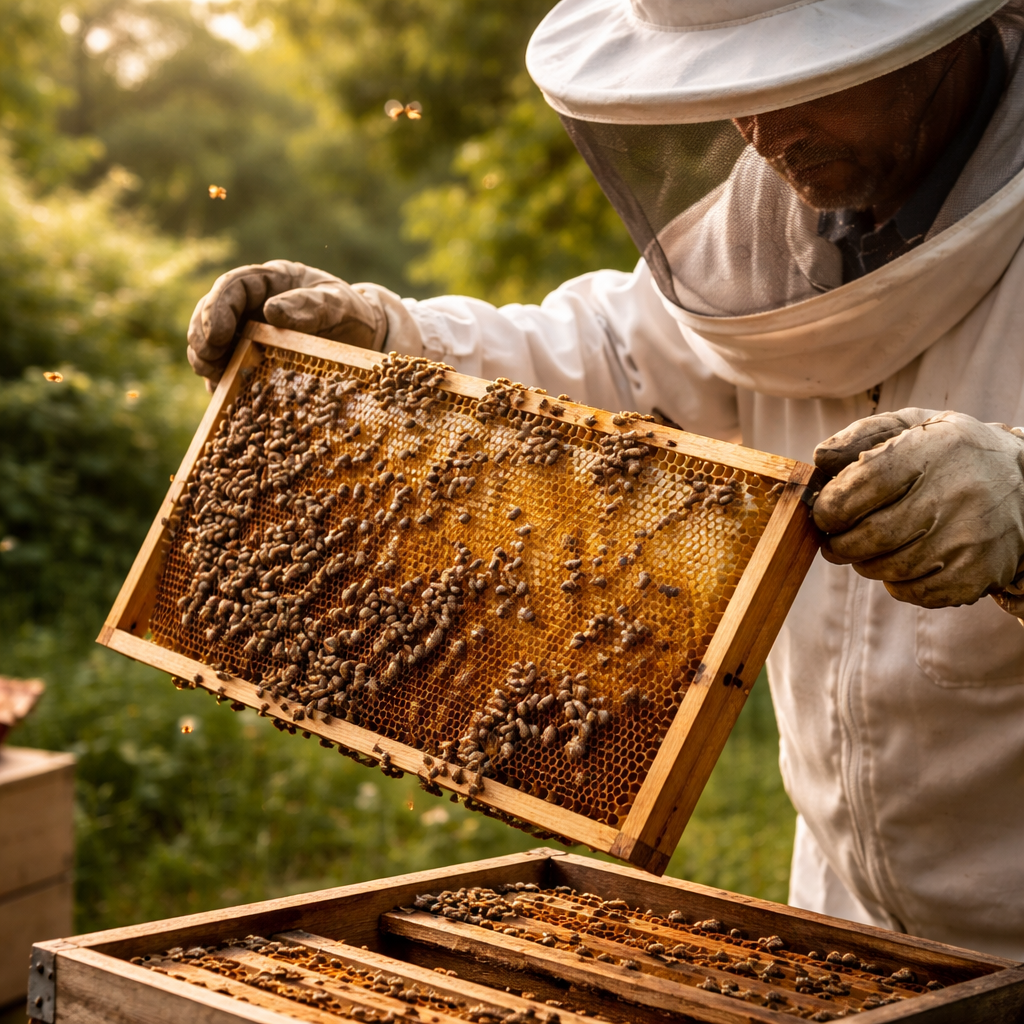
The quality of honey is decided way before it reaches us. What happens inside the beehive determines the quality of the honey. If honeybees are in a clean, hygienic, and well-managed environment, they will be healthy and produce pure and flavorful honey.
Beekeepers play a crucial role; how they manage and care for hives, their honeybee feeding practices, and overall beekeeping management practices affect the honey quality. Even small changes during the maintenance of beehives can affect the taste, consistency, and quality of the honey that they collect.
Modern beekeeping involves employing the right tools and techniques. It is important to have reliable protective gear, hive components, tools, and resources to maintain a clean and healthy environment for the bees.
Today, many beekeepers rely on beekeeping suppliers like Lappe’s Bee Supply for beekeeping tools and constant guidance for beekeeping. A clean, healthy environment combined with proper beekeeping practices plays a key role in producing high-quality honey.
How is High-Quality Honey Produced?
Not all honey is the same. The quality of honey depends on the type of flowers bees collect nectar from, how it is produced, and how pure it remains. Each of these factors influences the honey’s taste, texture, and overall quality.
Difference Between Natural and Processed Honey
Natural or raw honey is unfiltered and is minimally heated. This honey has all its natural enzymes and nutrients. On the other hand, processed honey is filtered to a fine degree and exposed to high-temperature heating.
These two processes extend the shelf life of honey, but it loses all of its nutrients and quality, including the taste.
Purity
Good quality honey is always pure. There are no artificial additives or sugars. However, honey sold in the market may be mixed with artificial additives or sugars to reduce costs.
This may affect its taste and value. It is necessary to check the purity of honey before we use it in our diet.
Flavor and Source
The honey has a different taste depending on the type of flowers visited by the bees. For example, if the bees visit clover flowers, the honey obtained has a mild taste. On the other hand, if the bees visit wildflowers, the honey obtained has a rich taste.
This makes the honey different from one another. This variation in taste and flavor is necessary when cooking to enhance the taste of the food.
How Does the Quality of Honey Affect Cooking?
Honey is not just an alternative to sugar or any other sweetener, but it is also of significant importance in determining the performance of honey in cooking and the taste of the final dish. Honey is a precious ingredient in the cooking process in the kitchen. The quality of honey plays an important role in determining the taste and texture of the dish being cooked.
Taste and Texture
If we are cooking any dish with the help of the best quality honey available, then we are sure that the dish will be enriched with the taste and texture that can be obtained from no other source.
The rich taste and texture of honey can be used to enrich the taste and make the dish smooth by incorporating honey as the main ingredient.
Consistency
The quality of the honey also plays a role in its ability to mix properly in a recipe. Pure honey mixes properly in cooking. In addition to this, pure honey does not change when heated.
On the other hand, impure honey may not mix properly in cooking. In fact, this impure honey may even burn. In addition to this, impure honey may not have the smoothness that pure honey has.
Professional Cooking Perspective
The quality of the ingredients plays a vital role in cooking, especially in professional cooking. The primary concern of professional cooks is to use good-quality honey to get better consistency and taste in their food.
Therefore, it becomes essential for professional cooks to use the quality of honey that meets their cooking standards and provides a better taste to their food. In fact, good-quality honey can be used in glaze, baked goods, or sauce.
Why Consumers are Becoming More Conscious?
Consumers are becoming more conscious about the quality of the honey that they are consuming. Consumers are becoming more conscious about the fact that they need to understand where the honey that they are consuming originates and what process is involved in the production of the honey that they are consuming.
Consumers are becoming more conscious, and this is affecting their behavior. Consumers are becoming more conscious and hence are now consuming the raw, pure, or local honey that they can trust.
Consumers are becoming more conscious, and the shopkeeper is now becoming conscious about the fact that he needs to understand what exactly is being labeled, from where the honey is originating, and what exactly is being sold.
Consumers are not becoming conscious about the price factors of the honey that they are consuming.
Conclusion
It is not just a food item, but it also displays the process of making, processing, and utilizing it in various ways. From bee-keeping to the utilization of honey in dishes, the quality of honey plays a huge role in this regard. Thus, the quality of honey plays an important role in making decisions to select the best quality of honey as per taste, flavor, and texture in dishes.