Why Everyone Wants Everything on Their Phone
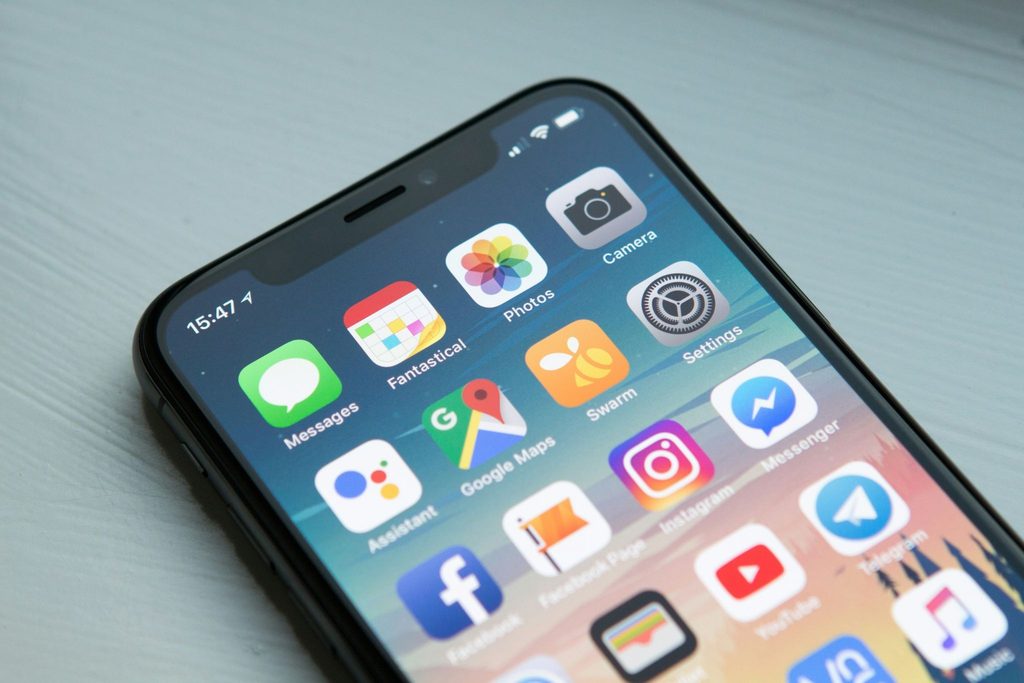
More and more, people expect to be able to shop, communicate, and find entertainment whenever it suits them. The use of smartphones makes that possible, but there is more to the appeal than simple convenience. Years of instant access have changed expectations beyond recognition. When there is the possibility of something being done immediately, waiting for another device or for opening hours feels completely unnecessary.
Instant Access Has Changed Expectations
When ordering food, you’d once need to find a menu or maybe call a takeaway to ask when the delivery may arrive. Now customers can reach for their smartphones, compare menus, make payment, and even track a delivery. This process has changed how people regard good service, especially when they’re short of time.
The same expectation goes way beyond food. A delayed train leads to an immediate search for alternatives, while an unexpected bill can be paid before it is forgotten. People value the ability to act when a problem appears instead of adding another task to tomorrow’s list.
Convenience Becomes Second Nature
Repeated actions become much easier when all of the steps stay familiar. A banking app will remember your usual account, your supermarket app will show your recent buys, and a map can recall your destinations. Each of these removes a small step that would slow the user down.
Eventually, reaching for the phone becomes the default response to a question or a spare moment. People check opening times while walking towards a shop or compare prices while standing beside a product.
Entertainment Whenever and Wherever
Entertainment was once all based on schedules and locations. A TV program would only be shown at a set time, and certain games would need a dedicated console or computer. Streaming and mobile gaming mean that these things are on tap at all times, even during journeys or on short breaks.
That expectation also has an impact on the interest in mobile betting and casino services. Someone considering the WePari app is likely to be drawn to the possibility of accessing sports or casino entertainment without the need to rely on a desktop computer. The broader appeal is control over when and where a session takes place.
Social Media, Giveaways and the Fear of Missing Out
Social media platforms bring together personal messages, entertainment, and recommendations in one feed that gets updated constantly. A notification could tell you that a friend has replied, or it could be about a new reel, or even a local offer. These notifications are unpredictable, and that leads to people checking their phones regularly.
Restaurants use that behaviour to reach customers through photographs, short videos and social media giveaways. A restaurant might offer a free meal to followers who comment or tag a friend, encouraging the competition to spread between local phones. Someone who sees the post can immediately inspect the menu or arrange a visit, turning casual scrolling into a potential booking.
Giveaways also mean that users return to a platform as they want to see the result. Those who have taken part are likely to revisit the restaurant’s profile to see if the winner has been announced. The mobile format makes it quick and easy to enter, share, and check back.
Personalisation Keeps People Coming Back
A service is more useful when it knows what a customer actually wants. Things like music apps suggest artists based on listening habits, retailers show products that you’ve previously viewed, and food services remember favourite orders. This means users spend less time needing to search.
For entertainment brands such as WePari, the wider consumer expectation is easy access to preferred services on a mobile screen. Customers increasingly judge digital experiences by whether information is easy to locate and common actions are simple to complete. That expectation applies across industries, from banking to streaming, rather than depending on any unverified feature of one platform.
Businesses Are Encouraging Mobile Dependence
Businesses benefit when their customers can act on an offer instantly. The likes of app-only discounts, digital loyalty cards, and reminders all help to bring someone back without the need for a fresh search. A coffee shop can reward frequent visits, while a retailer can let someone know when a saved item is back in stock.
These incentives also explain why mobile access can feel less optional than it once did. Customers who want a particular reward may need to install an app or keep checking messages. The strongest services give people a genuine benefit without making routine tasks unnecessarily difficult elsewhere.
Will Smartphones Remain the First Choice?
Smartphones are the go-to when users want something that’s familiar and convenient. Yes, larger screens may be useful for detailed tasks, but the reality is that many people are just unwilling to wait. This means that smartphones are likely to remain the first choice for years to come.