How to choose commercial kitchen and office solutions
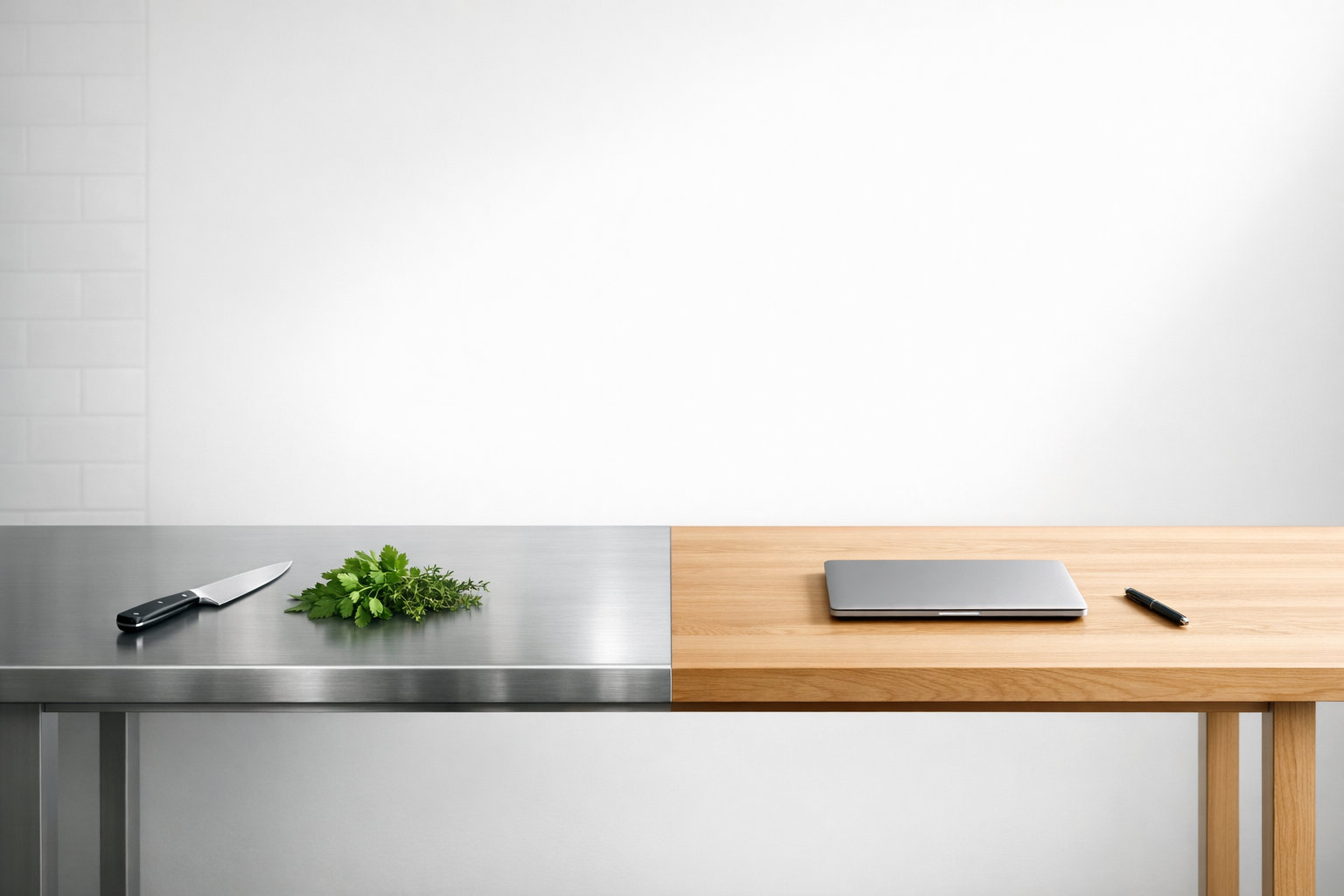
Choosing the right commercial kitchen and office solutions requires a balanced approach, considering both efficiency and adaptability. Business owners and managers must evaluate space, workflow, and operational needs to ensure that their selected solutions support daily activities and promote long-term growth.
Deciding on equipment and furnishings for both kitchens and offices is a major investment affecting productivity, safety, and employee satisfaction. From layout planning to ergonomic considerations, every element must align with business goals and regulations. Providers such as AZ Design offer a wide range of products, making it essential to understand your priorities before making a selection. Balancing the different requirements of food preparation and administrative workspaces can be complex, but it is fundamental to creating efficient, effective environments.
Evaluating your business needs and available space
The first step in selecting commercial kitchen and office solutions is a thorough assessment of your business requirements and physical layout. Each operation has its specific demands: a high-volume restaurant kitchen differs greatly from a small café, just as open-plan offices present different challenges from private workspaces. Clarifying your primary activities, expected throughput, and operational objectives will help you determine what equipment and furniture are essential and which features are negotiable.
Careful measurement and planning are indispensable, as they enable you to use the available space optimally without overcrowding or underutilisation. For kitchens, workflow should facilitate food safety and efficiency, ensuring that workstations, sinks, and storage are conveniently arranged. In offices, thoughtful planning allows for comfortable workstations, meeting areas, and clear pathways, all of which contribute to higher staff morale and productivity.
Choosing equipment and furniture for efficiency
Efficiency should be at the heart of any selection process, as both commercial kitchens and offices rely on smooth daily operations. In kitchens, this means prioritising durable, easy-to-clean equipment that streamlines food preparation, cooking, and sanitisation. Modular and multifunctional appliances can be advantageous, especially in limited spaces, allowing easy adaptation for changing menus or staffing patterns.
Office environments benefit from ergonomic furniture that supports long hours of desk work, as well as technology that aids communication and collaboration. Desks, chairs, and storage units should promote good posture and ease of movement. In both settings, factoring in energy-efficient options and equipment designed for professional use can contribute to cost savings and long-term value, while ensuring a safer and more comfortable workspace for everyone.
Prioritising flexibility and future-proofing your choices
Adaptability is a core consideration when designing kitchens and office areas for today’s shifting business landscape. Flexible solutions, such as movable partitions, modular workstations, or reconfigurable storage, allow companies to adjust layouts for changing needs, special projects, or evolving regulations. This versatility can make a significant difference when scaling your business or accommodating new work patterns.
Future-proofing your choices includes not only purchasing reliable, robust equipment but also considering upgrades and compatibility with upcoming technologies. In kitchens, choosing equipment that supports menu changes or increases throughput helps maintain competitiveness. In offices, preparing for trends such as remote work or digital collaboration is wise. Working with providers who understand these changing needs and supply adaptable, maintainable products supports ongoing operational success.
Ensuring compliance, safety, and maintenance
Regulatory compliance and safety are non-negotiable in both commercial kitchens and office environments. All equipment and furniture should meet industry standards for hygiene, fire resistance, accessibility, and electrical safety. In kitchens, attention must be paid to surfaces, ventilation, and layout standards to ensure food safety and staff well-being. Offices must also adhere to ergonomic and building codes to safeguard employees’ health and comfort.
Ease of maintenance should also factor into decision-making, as well-maintained equipment and furnishings last longer and perform better. Selecting materials and finishes that withstand heavy use and can be cleaned or repaired easily is ideal. Regular inspections and prompt resolution of repairs prevent breakdowns that can disrupt service or business operations. By making informed, intentional choices at the outset, businesses set the foundation for safe, productive, and welcoming workplaces that can evolve to meet future challenges.