Beyond the Spin Button: Exploring the Creative Anatomy of a Modern Slot Game
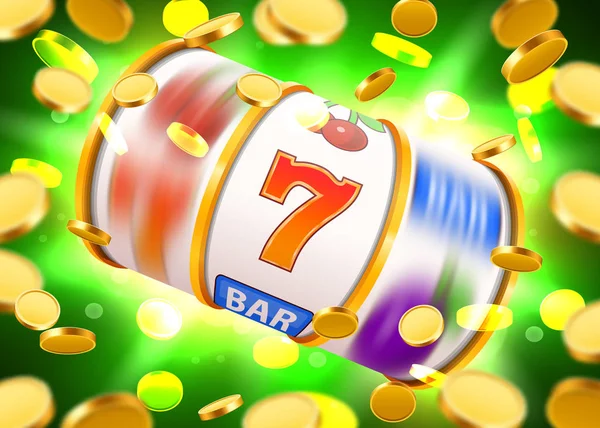
Have you ever wondered what goes into creating an online slot game beyond the familiar spinning reels and colourful symbols?
At first glance, the gameplay may seem simple. Players select a wager, press the spin button, and watch the symbols settle into different combinations. However, behind this straightforward experience is a combination of creative design, mathematics, programming, and interactive technology.
Modern slot games are developed through several interconnected processes. Artists create visual environments, sound designers build audio effects, programmers develop gameplay systems, and mathematicians establish how outcomes and payouts work.
What makes this process interesting is how these different elements come together. Even a small design decision, such as the movement of a symbol or the placement of a button, can influence how players understand and experience a game.
The Creative Concept Behind Every Slot Game
Before developers create spinning reels or animated symbols, they usually begin with a central idea. This concept determines the olympus slot game’s appearance, atmosphere, and overall creative direction.
Some slot games feature historical settings, while others explore futuristic cities, fictional characters, nature-inspired environments, or humorous situations. The selected theme influences everything from reel symbols to background music.
For example, a slot inspired by an underwater adventure might feature glowing marine creatures, ancient ruins, and moving bubbles. Meanwhile, a futuristic racing game could use metallic reel frames, neon lighting, and electronic sound effects.
A successful concept connects these details into a consistent experience. Rather than adding unrelated decorations, developers make creative choices that support the game’s identity.
The Mathematics That Controls Gameplay
While visual design creates the atmosphere, mathematics determines how a slot game actually functions. Every game needs a defined system for calculating outcomes, winning combinations, and potential payouts.
Developers establish several mathematical characteristics, including Return to Player (RTP), volatility, symbol distributions, and payout structures. These elements help determine how the game behaves over a large number of spins.
Understanding RNG and RTP
Modern online slots generally use random number generators (RNGs) to determine spin outcomes. These systems produce results according to the game’s programmed rules, ensuring that individual outcomes cannot be reliably predicted from previous spins.
RTP represents the theoretical percentage of total wagers a game is designed to return over a very large number of plays. For example, a slot with a theoretical 96% RTP is designed to return an average of £96 for every £100 wagered across extensive gameplay, not necessarily during an individual session.
Volatility describes the variation in payout frequency and size. Understanding these mathematical foundations helps explain why two visually similar slot games can behave differently.
Symbol Design Gives the Reels Their Personality
Symbols are among the most recognisable elements of slot games. Traditional machines commonly featured fruits, bells, numbers, and playing card icons, but modern digital games offer far greater creative flexibility.
Developers now create symbols that connect directly to the game’s theme. A fantasy slot might feature magical objects and fictional creatures, while a cooking-themed game could use ingredients, kitchen utensils, and animated food illustrations.
However, symbol design is not entirely decorative. Players must be able to identify important icons and distinguish ordinary symbols from those with special functions.
Wilds, scatters, and multipliers often receive distinct visual treatments. Clear shapes, contrasting colours, and recognisable animations help communicate their roles without making the reels unnecessarily complicated.
Animation Makes Ordinary Mechanics Feel More Dynamic
Animation is another important component of modern slot development. Instead of relying entirely on static illustrations, developers use movement to explain events and give gameplay additional visual character.
For example, a winning combination might trigger a brief glow around matching symbols. A wild symbol could expand across a reel, while cascading symbols may disappear before new icons enter the grid.
These effects communicate what is happening during gameplay. They can also reinforce the theme through creative movements, such as symbols dissolving into magical particles or mechanical objects rotating into position.
However, animation must remain balanced. Excessive movement can distract from important information, especially when several effects appear simultaneously.
Sound Design Creates a Recognisable Atmosphere
A modern slot game would feel considerably different without sound. Music, environmental audio, and short effects work together to establish an atmosphere and provide feedback during slot gacor gameplay.
A jungle-themed game might use natural background sounds and rhythmic music, while a science-fiction slot could feature electronic tones and mechanical effects. These audio choices make the creative setting more recognisable.
Sound also helps communicate specific events. A brief audio cue might confirm a button press, while another effect could indicate the beginning of a bonus feature.
Timing is especially important because sounds must match the visual action. Developers also need to prevent repetitive effects from becoming distracting, which is why adjustable music and sound settings are valuable interface features.
Bonus Features Introduce Different Gameplay Experiences
Traditional reel spinning remains central to most slot games, but bonus features allow developers to introduce additional mechanics and creative presentations.
Some games include free spins, expanding symbols, cascading reels, or hold-and-respin sequences. Others present interactive activities where players select illustrated objects to reveal potential rewards.
Connecting Bonus Features With the Theme
A treasure-hunting slot might present a bonus round involving mysterious chests, while a detective-inspired game could feature hidden documents or clues. These creative presentations help make bonus mechanics feel connected to the main setting.
Developers may also change the background, introduce new music, or animate characters when a bonus round begins. Such transitions help distinguish special features from ordinary spins.
However, interactive presentation does not always mean players can influence the results. In some games, the outcome is determined by the programmed system before the player makes a visual selection.
User Interface Design Shapes the Playing Experience
Even the most attractive game can become frustrating when its controls are difficult to understand. User interface design therefore plays an essential role in slot development.
Developers carefully consider the placement of spin buttons, betting controls, balance information, and game menus. These elements need to remain visible and accessible without overwhelming the screen.
Mobile compatibility introduces additional challenges. A layout that works comfortably on a desktop monitor may require significant adjustments for smartphones.
Responsive interfaces can resize symbols, rearrange buttons, and simplify decorative features. Clear text, comfortable spacing, and readable paytables make it easier to understand the game across different devices.
Testing and Refinement Complete the Creative Process
Creating a slot game does not end when the graphics, animations, and mechanics are finished. Developers also need to test how these elements perform together.
Technical testing examines software stability, responsiveness, mathematical implementation, and compatibility across devices. Quality assurance teams look for problems involving animations, incorrect displays, unresponsive controls, and unexpected game behaviour.
Usability testing can reveal different issues. For example, players may struggle to locate the paytable or misunderstand the function of a special symbol.
Developers can use this feedback to improve clarity and overall performance. Where required, independent testing and certification also help verify that games meet applicable technical and regulatory standards.
These final adjustments may not be particularly noticeable, but they contribute to a more reliable and understandable experience.
Why Responsible Design Is Part of the Creative Process
Modern slot development also involves considering how players interpret visual effects, rewards, and game information. Attractive presentations should not create misleading impressions about winning opportunities.
For example, a colourful celebration should not disguise the fact that a payout is smaller than the original wager. Similarly, animations should not imply that previous spins influence future random outcomes.
Clear betting information, accessible game rules, and responsible-play controls help players make informed decisions. These elements demonstrate that practical usability and transparency deserve attention alongside creative artwork.
The objective is to provide an entertaining interface while ensuring that essential information remains accurate and easy to understand.
Conclusion
A modern slot game is much more than a collection of spinning reels and colourful symbols. Its development combines creative concepts, mathematical systems, animation, sound design, interactive features, and carefully organised interfaces.
Each element contributes something different. Artwork establishes the theme, mathematics controls outcomes, sound creates atmosphere, and user interface design makes the experience easier to navigate.
What makes slot development particularly interesting is how these components must work together. Impressive graphics alone cannot compensate for confusing mechanics, just as innovative bonus features lose their appeal when players struggle to understand them.
Ultimately, the creative anatomy of a modern slot game demonstrates how traditional mechanics can be presented through new artistic and technical ideas while maintaining clear rules and responsible design.