Understanding the Nutritional Benefits of Fresh Cheese Curds
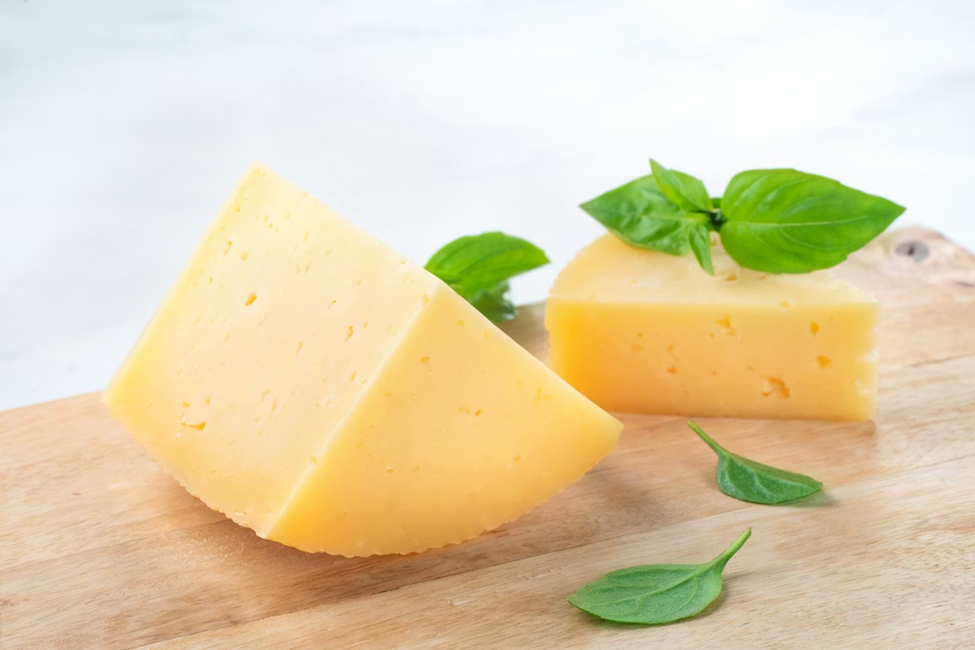
Ever wondered what’s so nutritional about cheese curds?
It turns out these delicious little snacks might be more beneficial to your health than you realize.
Fresh cheese curds aren’t just a cheesy treat – they contain nutrients that many of us crave in our diets.
And if you think that’s it…
Wait until you see what other hidden nutritional values you’ll find in a good cheese curds assortment.
We’ll cover everything from calcium and protein content to how you can add them to your diet in simple, delicious ways.
Stick around and get ready to learn more about the nutritional value of cheese curds!
This post contains affiliate links, as a participant in the Amazon Services LLC Associates Program, an affiliate advertising program designed to provide a means for sites to earn advertising fees by advertising and linking to Amazon.com
Here’s what you are about to discover:
- Why Cheese Curds Are a Nutritional Goldmine
- The Protein and Calcium Breakdown
- Fresh Curds vs. Aged Cheese: What’s the Difference?
- Why Calcium Matters More Than You Think
- Smart Ways to Incorporate Cheese Curds
- Portion Control and Moderation
Why Cheese Curds Are a Nutritional Goldmine
Here’s a little secret…
Cheese curds are simply cheese at its freshest stage. They haven’t gone through a lengthy aging or processing. You get the nutrition of dairy in one of its purest forms.
The freshness aspect is a big deal. Cheese curds made on the farm shortly after production have more nutrients than those that sit around for a while. This is why searching for good farm made cheese curds is essential to the nutritional benefit.
Wait, there’s more…
According to NHANES research, approximately 42% of Americans don’t get enough calcium. Fresh cheese curds can help solve this widespread deficiency.
The Protein and Calcium Breakdown
Before we dive in here are some numbers to consider.
A one-ounce serving of good quality cheese curds contains about 6-7 grams of protein. That’s a pretty respectable amount that helps you get closer to your daily protein goal.
In addition to being a good source of protein, cheese curds have a healthy dose of calcium and essential B vitamins including vitamin B12.
Here’s what makes cheese curds so great:
- Complete high-quality protein that helps maintain muscle mass
- Roughly 180mg of calcium per ounce serving
- Provides essential B vitamins such as B12
- Contains trace minerals like selenium and phosphorus for bone health
Calcium is where cheese curds really shine. The nutritional data show cheese curds contain about 929mg of calcium per 100 grams which equals roughly 55% of the recommended daily value for adults.
That’s not too shabby.
Calcium deficiency is an all too common problem these days. If you find it difficult to get enough calcium from your diet, cheese curds are one delicious way to bridge the nutritional gap.
Fresh Curds vs. Aged Cheese: What’s the Difference?
Bear with us here…
Fresh cheese curds and aged cheese both come from the same cheesemaking process. The nutritional differences are there, but it’s subtle.
Fresh curds have:
- More moisture
- Slightly less sodium
- A milder, more milky flavor
- That telltale “squeak” when you bite
Let’s talk about the squeak.
That’s not just for show or a gimmick. The squeak actually means the protein structure in the cheese is still tightly bound together.
Older cheese has a more relaxed protein structure, which is why there’s no squeak. For cheese curd connoisseurs, squeak means fresh.
Nutritionally speaking, both fresh and aged cheese provide excellent protein and calcium. Fresh curds just provide these nutrients in a form that many of us find more palatable to snack on as-is.
Why Calcium Matters More Than You Think
Here’s the deal…
Calcium does a lot more than help build strong bones. It’s an essential mineral that plays important roles in nerve function, muscle contraction, and blood clotting.
The problem? Many people don’t get enough.
When calcium intake is chronically low, the body compensates by extracting calcium from bones. This keeps blood levels stable but leads to brittle, weak bones over time.
Cheese curds are one way to help.
Cheese curds are one of the most bioavailable sources of calcium in the diet. The body absorbs and uses the calcium from dairy foods better than from most plant sources.
For children, active adults, and older people concerned with bone health, regular consumption of calcium-rich foods like cheese curds can support long-term bone strength.
Smart Ways to Incorporate Cheese Curds
Here’s the best part…
You don’t need complicated recipes to incorporate cheese curds in your diet.
There are some simple ways you can do that:
- Straight out of the package as a protein-packed snack
- In salads for extra crunch and nutrition
- Melted over vegetables or grain bowls
- As part of a breakfast alongside eggs
- As a soup topper
The great thing about fresh cheese curds is how versatile they are. They’re equally at home as a simple snack or an ingredient that takes other dishes to the next level.
One important note here:
Quality matters. Mass-produced curds typically don’t have the flavor complexity or nutritional integrity of artisan-made cheese curds.
Whenever possible, seek out fresh, locally made curds to get the most nutritional bang for your buck.
Portion Control and Moderation
We need to be real about something…
Cheese curds are nutrient-dense but they’re also fatty and caloric. As with all good things, they should be consumed in moderation.
A good serving size is about one ounce. This gives you meaningful nutrition without an overabundance of calories.
For those watching their sodium intake, be aware cheese curds do contain salt. However, fresh curds usually have less sodium than highly processed cheese products.
The moral of the story?
Moderation and balance allow cheese curds to fit within a healthy eating pattern. They’re not a substitute for vegetables or whole grains, but they can complement a well-rounded diet with high-quality protein and calcium.
Summary
Fresh cheese curds offer a lot of nutritional value in an undeniably delicious package.
The combination of complete protein, bone-building calcium, and essential B vitamins makes them more than just a tasty snack. They’re a legitimate nutritional asset that can help address common dietary deficiencies.
The Takeaway:
- Fresh curds provide excellent protein and calcium content
- Quality and freshness matter for nutritional value
- Moderation keeps them a healthy part of your diet
- They’re versatile enough for snacking or cooking
If you’re looking to increase your calcium and protein intake without sacrificing flavor, it’s worth checking out quality cheese curds.
The nutritional benefits are very real. The taste is undeniable. And the versatility makes them easy to work into your eating patterns every day.
Sometimes the simplest foods have the biggest benefits.